
What Is the Difference Between DUI and DWI in New Mexico?
Updated:
3/7/2026
Table of Contents
If you've ever been pulled over in Albuquerque after having a drink or know someone who has, you may have heard the terms "DUI" and "DWI." Maybe you're wondering if one charge is more serious than the other, or if the decision to hire a lawyer depends on which term appears on your citation.
With nearly two decades of criminal law experience in New Mexico, our Albuquerque DWI lawyers have handled hundreds of impaired driving cases across Bernalillo, Sandoval, Santa Fe, and Valencia Counties.
This guide explains what these terms actually mean under New Mexico law, what you're up against if you've been charged, and what steps you need to take immediately to protect your rights.
The Short Answer: DUI and DWI Mean the Same Thing in New Mexico
New Mexico uses “DWI” (“driving while under the influence of intoxicating liquor or drugs”) as the official legal term for impaired driving in its statutes. When you look at your citation, court documents, or police report, you'll most likely see "DWI" because that's the term found in New Mexico Statutes Annotated § 66-8-102.
Many people use "DUI" and "DWI" interchangeably when talking about these charges. However, neither the nature of the offense nor the penalties change based on which term someone uses.
Whether a police officer, prosecutor, or judge says "DUI" or "DWI," they're referring to the same criminal charge. This means that your legal situation is identical regardless of which acronym you hear thrown around.
The confusion arises because different states use these terms differently. In some places, DUI refers to a lesser charge, while DWI is more serious. In others, DUI applies to drugs, while DWI refers specifically to alcohol. None of that applies here — if you're facing either charge in New Mexico, you're looking at the same legal process and the same potential consequences.

How New Mexico Law Defines DWI
Under NMSA § 66-8-102, it's illegal to operate a motor vehicle while under the influence of alcohol, drugs, or a combination of both. This statute covers everything from beer and whiskey to prescription medications, marijuana, and even over-the-counter drugs that affect the user’s ability to drive safely.
Blood Alcohol Concentration (BAC) Limits in New Mexico
New Mexico law sets different BAC thresholds depending on the driver’s age and the type of vehicle they’re operating:
- Drivers 21 and older: 0.08% or higher
- Commercial drivers: 0.04% or higher
- Drivers under 21: 0.02% or higher
These numbers matter because they create a legal presumption of intoxication. If your breath or blood test shows a BAC at or above these levels, the prosecution has strong evidence against you.

You Don't Need to Be "Over the Limit" to Get Charged
Here's something that catches many people off guard: You can be arrested for DWI even if your BAC is under the legal limit. An officer's observations about your driving, your behavior during the stop, and any field sobriety test results can lead to charges even when your BAC is 0.05% or 0.06%.
Remember, DWI charges can encompass marijuana, prescription drugs, and over-the-counter medications that hinder driving ability. We've represented clients charged with DWI after taking Ambien, Xanax, cold medicine, and even allergy medication. If it affects your ability to drive safely, it can result in a DWI charge, regardless of whether you have a valid prescription.
The statute doesn't require that you be "drunk" in the traditional sense. It simply requires that you be incapable of operating a vehicle safely due to the influence of an intoxicating substance. That's a lower bar than most people realize.
#cta_start
Facing DWI Charges? Timing Is Everything.
Our skilled attorneys know how these cases are built and how to defend against them. If you've been arrested in Albuquerque, Rio Rancho, Santa Fe, or Los Lunas, contact Peake Law Firm today.
#cta_end
How Other States Approach DUI vs. DWI
Much of the confusion surrounding DUI and DWI comes from the fact that many states treat these as separate offenses.
Some states use DUI for a first offense and DWI for repeat offenses. Others issue DUI charges when drugs are involved and DWI when alcohol is the intoxicating substance. Still others use DUI for cases below a certain BAC threshold and DWI when the motorist’s BAC is higher.
If you've lived in another state, read about cases online, or talked to friends from other parts of the country, you may have heard that DUI is "less serious" than DWI. That might be true where they live, but it isn’t the case in New Mexico.
New Mexico uses one term (DWI) for all impaired driving offenses. The severity of the charge depends on factors like BAC level, whether it's a first or repeat offense, and whether there are aggravating circumstances.
What Is Aggravated DWI in New Mexico?
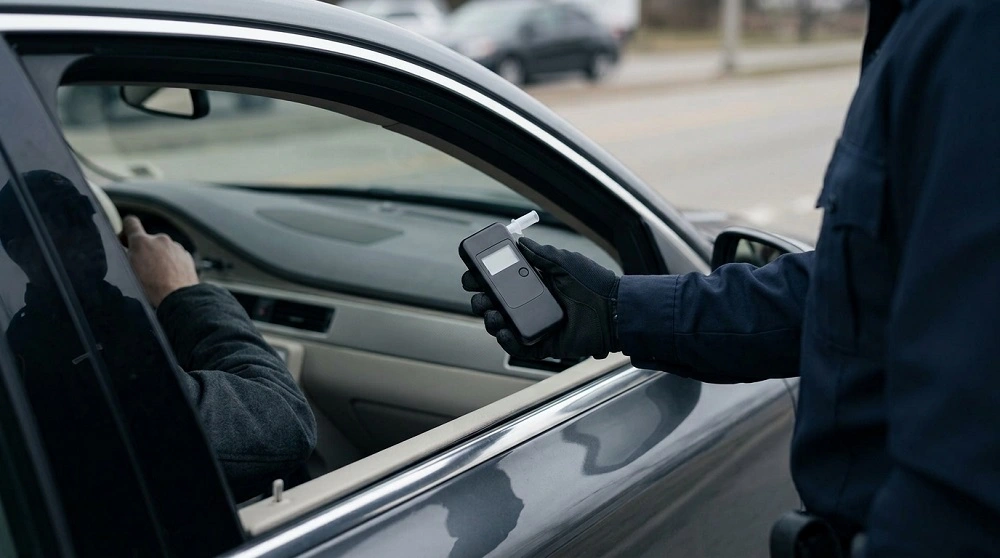
While DWI is the only intoxicated driving charge in New Mexico, state law does recognize a more serious version of the offense called "aggravated DWI." This enhanced charge comes with harsher mandatory penalties.
Three Ways to Face Aggravated DWI Charges
You can be charged with aggravated DWI in New Mexico under any of the following circumstances:
1. Having an Especially High BAC Level
A BAC of 0.16% or higher automatically makes the offense an aggravated DWI. This percentage is exactly double the legal limit for drivers 21 and older. If you blow a 0.16% or higher on a breathalyzer test, expect to face aggravated charges.
2. Causing Bodily Injury
If you're involved in an accident while driving under the influence that causes bodily injury to another person, the charge automatically becomes aggravated. This is true even if your BAC is just barely over the limit. The injury elevates the charge.
3. Refusing Chemical Testing
Declining to submit to a breath or blood test can also result in aggravated DWI charges. When you refuse testing, prosecutors can argue that you knew you were intoxicated and tried to hide evidence. That refusal becomes part of the criminal charge and could increase the penalties you face.
The Seriousness of Aggravated DWI
Aggravated DWIs carry mandatory minimum jail sentences that can’t be suspended, deferred, or taken under advisement. For a first offense, aggravated DWI requires at least 48 consecutive hours in jail. Even if you've never been in trouble before, the judge has no choice but to sentence you to at least two full days behind bars.
For second and third offenses, the mandatory jail time increases substantially. The difference between a standard DWI and an aggravated DWI can mean weeks or months of additional incarceration.

Penalties for DWI in New Mexico
New Mexico takes DWI offenses seriously. Even a first violation can come with stiff consequences that could affect your job, your driving privileges, and your criminal record permanently.
First-Offense DWI
A first DWI conviction in New Mexico is a misdemeanor that carries the following penalties:
- Up to 90 days in jail
- Maximum fine of $500
- One-year ignition interlock device requirement following revocation
- Mandatory alcohol screening and treatment, as determined by screening results
- 24 hours of community service
- DWI school (12-hour program)
- Up to one year of probation
If your first offense is aggravated, you’ll face a mandatory minimum of 48 consecutive hours in jail in addition to the other penalties. This jail time can’t be suspended, deferred, or otherwise avoided.
Second-Offense DWI
A second DWI conviction raises the stakes considerably:
- Up to 364 days in jail (96 consecutive hours mandatory)
- Up to $1,000 in fines ($500 mandatory)
- Two-year ignition interlock device requirement following revocation
- 48 hours of community service
- Mandatory 28-day inpatient treatment program, 90-day outpatient program, or other court-approved treatment
- Up to five years of supervised probation
The treatment requirement for a second offense is notable. You'll need to complete either an intensive inpatient program or an extended outpatient program at your own expense.
Third-Offense DWI
By your third conviction, you're looking at serious fines, jail time, and other repercussions:
- Up to 364 days in jail (30 consecutive days mandatory)
- Up to $1,000 in fines ($750 mandatory)
- Three-year ignition interlock device requirement following revocation
- 96 hours of community service
- Mandatory 28-day inpatient treatment program, 90-day outpatient program, or other court-approved treatment
- Up to five years of supervised probation
The mandatory minimum sentence for a third-offense DWI guarantees a lengthy stint behind bars.
Fourth or Subsequent Offense (Felony DWI)
A fourth DWI conviction in New Mexico becomes a fourth-degree felony under NMSA § 66-8-102(G), carrying penalties that include up to 18 months in state prison. Subsequent convictions can rise to the level of second-degree felony, with prison terms of up to 12 years and fines of up to $10,000.
Moreover, the consequences extend far beyond your driving privileges. A felony conviction can affect your ability to own firearms, vote while incarcerated, and find employment.

All Prior Convictions Count
One thing that separates New Mexico from many other states is that it counts all prior DWI convictions, no matter how long ago they occurred. There’s no "lookback" or "washout" period after which old convictions no longer count.
If you had a DWI conviction 15 years ago and get arrested again today, you would face the penalties for a second offense. If you had two DWIs 30 years ago, a new arrest would mean third-offense penalties. Every conviction stays on your record forever and determines sentencing for future offenses.
The Two-Front Legal Battle: Criminal Court and the New Mexico Motor Vehicle Division
When you're arrested for DWI in New Mexico, you won’t have to deal with just one case — you'll actually be fighting two separate legal battles concurrently. Many people don't realize this until it's too late, and they've lost their license before their criminal case even goes to court.
The Criminal Court Case
The criminal case for a DWI will take place through the district or metropolitan court in the county where you were arrested. This is what most people think about when they hear "DWI charge."
The criminal court will determine whether you're guilty of the accused offense. If you’re convicted, the judge will impose criminal penalties that may include any of the consequences detailed previously.
Your case will proceed through arraignment, pretrial hearings, and potentially a trial if you don't reach a plea agreement. The standard of proof is "beyond a reasonable doubt,” the highest standard in American law.
The Administrative License Revocation (ALR) Case
Meanwhile, the administrative case is conducted by the New Mexico Motor Vehicle Division (MVD) under the state’s Implied Consent Act. This is a separate civil proceeding that determines whether your license will be revoked.
This aspect of the legal fallout from your DWI can be complicated. The MVD can revoke your license even if you're never convicted of DWI in criminal court. These are independent proceedings with different standards of proof. The MVD uses a "preponderance of the evidence" standard, which is a much lower bar than criminal court.
We’ve seen clients beat their criminal DWI charges only to lose their license through the administrative process because they didn't properly contest the MVD action. It’s imperative to consult a qualified DWI lawyer in Albuquerque as soon as possible after your arrest so this doesn’t happen to you.

The 10-Day ALR Deadline
You must request an administrative hearing within 10 days of your arrest to challenge the license suspension. Not 10 business days; 10 calendar days from the date of your arrest.
If you miss this important deadline, your license will automatically be revoked. The MVD doesn't care that you were busy, forgot, or didn't know about the deadline, and the clock starts ticking the moment you're arrested.
To schedule a hearing, you must submit a written request to the MVD within those 10 days, along with a $25 filing fee. Make a point of sending your request via certified mail to ensure proof of timely filing.
License Revocation Periods
After a first offense where you fail or refuse a chemical test, your license could be subject to revocation through the MVD's administrative process for the following periods:
- First offense, failed test: Six months
- First offense, refused test: One year
- Second or subsequent offense: One year, regardless of whether you failed or refused the test
The MVD handles license revocations irrespective of what happens in criminal court. Even if your criminal case gets dismissed, you could still lose your license through the administrative process if you miss the 10-day deadline or fail to challenge your case properly.
After you complete the revocation period, you must install an ignition interlock device on your vehicle for the period specified as part of your criminal sentence.
What to Do Immediately After a DWI Arrest in Central New Mexico
The hours and days after your arrest are critical, and the decisions you make in that time can significantly impact the outcome of both your criminal case and your license hearing.
Step One: Request Your MVD Hearing Within 10 Days
You have only 10 days to request a hearing with the MVD to fight your license suspension. As such, this is your first and most urgent priority.
You can request this hearing yourself, but having an attorney do it on your behalf will ensure that it's done correctly within the brief deadline. The request must be in writing, be sent to the correct address, and include a $25 filing fee.
The address for submitting a hearing request will be provided on the Notice of Revocation you received at the time of your arrest. If you don't have that paperwork or aren't sure where to send your request, contact an attorney immediately.
Step Two: Contact a Qualified Criminal Defense Attorney
Don't wait to see what happens next. At this stage, the police and prosecutors are already building their case against you. You need someone to build your defense.
Our capable legal team includes a former prosecutor, which means we understand how DWI cases are put together. We know what evidence matters, what procedures must be followed, and where law enforcement often makes mistakes. That insider knowledge could prove to be the difference-maker in your defense.
Many people think they should wait until they're formally charged or arraigned to hire a lawyer. That's a mistake. The earlier you get an attorney involved, the more options they’ll have to protect your rights and mount a robust defense.

Step Three: Write Down Everything You Remember
While the details of the incident are still fresh in your memory, make a note of:
- What you were doing before the stop
- Why the officer said they pulled you over
- What questions the officer asked
- What field sobriety tests you were asked to perform
- What the officer said to you and how they said it
- How you responded to the officer’s questions
- Whether you were read your Miranda rights and when
- Any medical conditions that might affect the test results
- The weather and road conditions during the stop
- Whether you had any witnesses in the car
Recollections can fade quickly. It’s best to get everything down in writing while you still remember it clearly, as these details could be critical to your defense.
Step Four: Don't Give Statements to Law Enforcement
You have the right to remain silent. Use it. Law enforcement may contact you after your arrest asking for additional information, wanting you to come in for an interview, or trying to "clear things up." Don't talk to them without your attorney present.
There's no such thing as an "off the record" conversation with law enforcement about a pending criminal case. Even seemingly innocent statements can be twisted to support the prosecution's narrative about your case.
If the police contact you, politely tell them that your attorney has advised you not to make any statements and that all future communication should go through them. Then, get in touch with your lawyer immediately to let them know about the attempt to get you to talk.
Step Five: Preserve All Existing Evidence
If you have receipts from where you were before your arrest, hold on to them. If any witnesses can speak to your condition at the time of the incident, get their contact information. If you have a medical condition that could affect the field sobriety tests administered to you, request documentation from your doctor.
Evidence tends to vanish quickly when it’s most needed. The sooner you start gathering information that may help your case, the better a position you'll be in.
It’s also a good idea to preserve any video evidence if possible. If you were at a bar or restaurant with security cameras, the recordings may indicate your condition before you drove. Many businesses only keep footage for 30–60 days before it's automatically deleted. Your attorney can issue a preservation letter to ensure that any compelling evidence isn't lost.
Turn to a Seasoned DWI Lawyer Today
Peake Law Firm proudly serves clients throughout Bernalillo, Sandoval, Santa Fe, and Valencia Counties, including Albuquerque, Rio Rancho, Los Lunas, and Santa Fe. With decades of combined criminal law experience, our legal team can bring skill and insight from both sides of the courtroom to your defense.
The 10-day deadline for your MVD hearing is approaching fast. Call now to schedule a free consultation.

Criminal Defense Attorney
Jonathan Peake is the founder and managing attorney of Peake Law Firm in Albuquerque, New Mexico. He is ready to build aggressive, strategic defenses for clients facing criminal charges.
.avif)